
Description
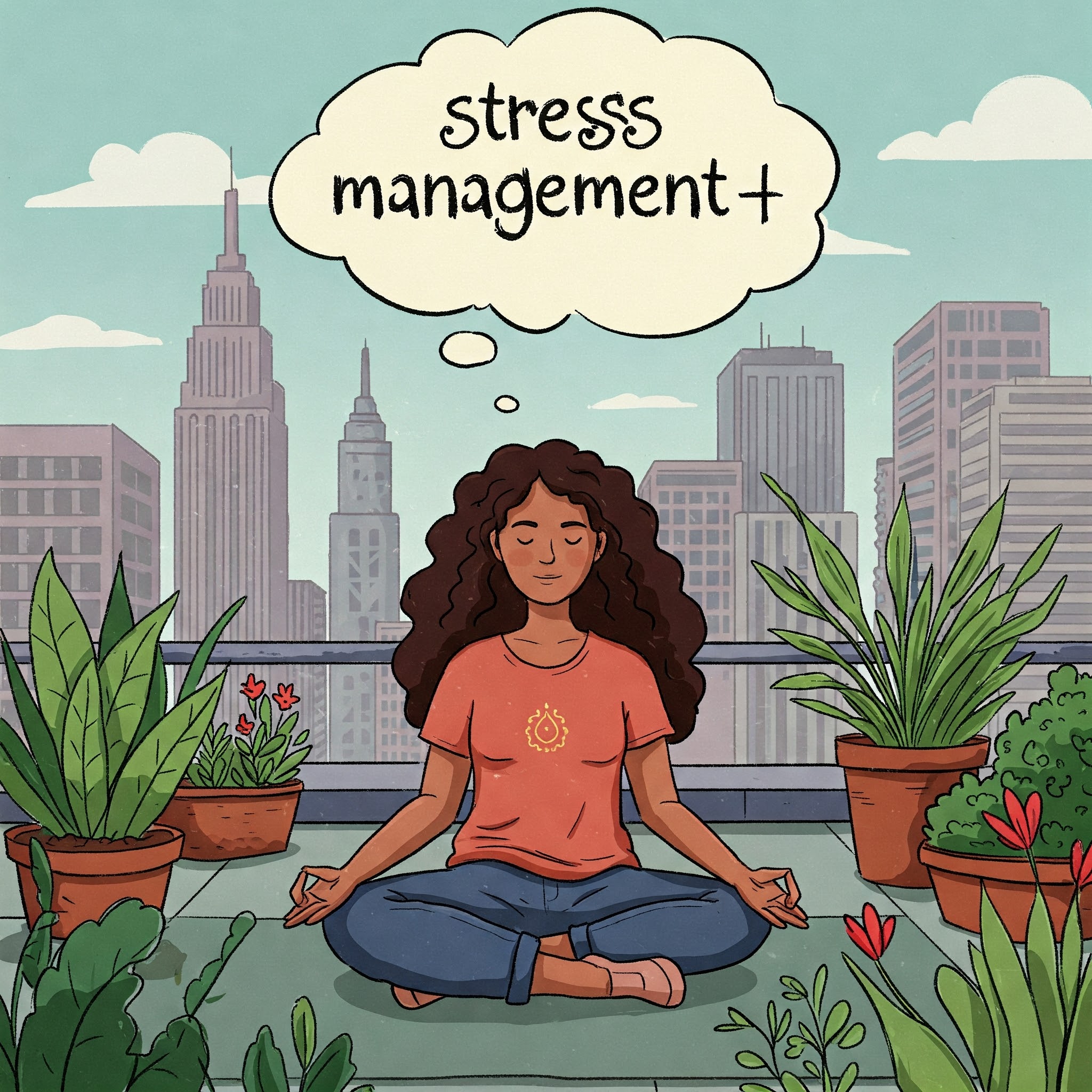
Stress management is crucial for maintaining both mental and physical well-being. Effective stress management involves identifying stressors, developing healthy coping mechanisms, and practicing relaxation techniques. By implementing these strategies, individuals can improve their overall quality of life and reduce the negative impact of stress on their health.
Here are some key stress management techniques:
- Identify Stressors: Recognize the sources of your stress, whether they are work-related, personal, or environmental.
- Time Management: Organize your tasks and set priorities to reduce the feeling of being overwhelmed.
- Physical Activity: Engage in regular exercise, such as walking, running, or yoga, to release tension and improve mood.
- Healthy Diet: Maintain a balanced diet rich in fruits, vegetables, and whole grains to support overall health.
- Sleep: Ensure you get enough restful sleep each night to help your body recover and manage stress more effectively.
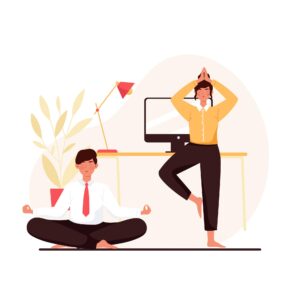
- Relaxation Techniques: Practice deep breathing exercises, meditation, or mindfulness to calm your mind and body.
- Social Support: Connect with friends, family, or support groups to share your feelings and receive emotional support.
- Limit Caffeine and Alcohol: Reduce consumption of stimulants and depressants that can exacerbate stress.
- Seek Professional Help: Consult a therapist or counselor if stress becomes unmanageable or affects your daily life.
By incorporating these techniques into your daily routine, you can develop a more resilient approach to handling stress and maintaining a healthier lifestyle.







Reviews
There are no reviews yet.