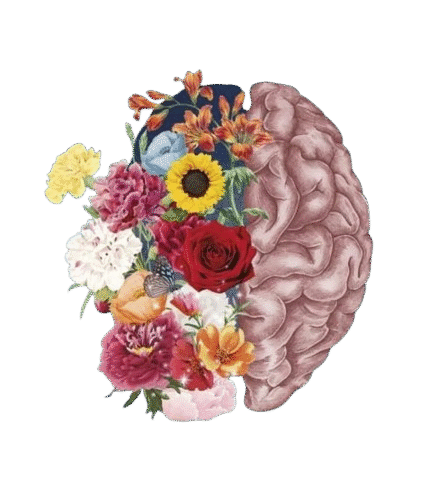


Description
Play therapy is a therapeutic approach primarily designed to help children and adults express their emotions, improve communication skills, and resolve psychological challenges. By engaging in play—a natural and comforting activity—it creates a safe and supportive environment for individuals to explore their thoughts and feelings. Below is a structured description of play therapy:
Overview of Play Therapy
Play therapy is a form of psychotherapy that utilizes play as a medium for expression. It is based on the idea that play is a child’s natural language and that they are often better able to communicate through toys and activities rather than words. This method can also be applied to adults in specific circumstances to support emotional growth, healing, and development.
Benefits of Play Therapy
- Emotional Expression: Helps individuals who find it difficult to verbalize their feelings.
- Improved Social Skills: Encourages cooperation, communication, and empathy through interactive activities.
- Coping Mechanisms: Develops strategies for dealing with stress, trauma, and anxiety.
- Problem-Solving Skills: Enhances the ability to navigate personal challenges effectively.
- Self-Esteem Boost: Builds confidence and a positive self-image through successful interactions and achievements.
Key Features
- Therapeutic Tools: Includes dolls, puppets, building blocks, sand trays, and art supplies.
- Non-Directive Approach: Allows individuals to guide the play session while therapists observe and interpret behaviors.
- Directive Approach: The therapist may actively guide the play to focus on specific therapeutic goals.
Who Can Benefit?
- Children: Especially those dealing with trauma, grief, behavioral issues, or developmental disorders.
- Adults: For certain conditions, such as trauma or unresolved childhood experiences.
- Families: To strengthen relationships and improve family dynamics.
Applications
- Play therapy is widely used to address challenges such as:
- Anxiety and depression.
- Behavioral disorders.
- Trauma and PTSD.
- ADHD and Autism Spectrum Disorder.
- Grief and loss.








Reviews
There are no reviews yet.